Our Locations
Ahmedabad, Gujarat
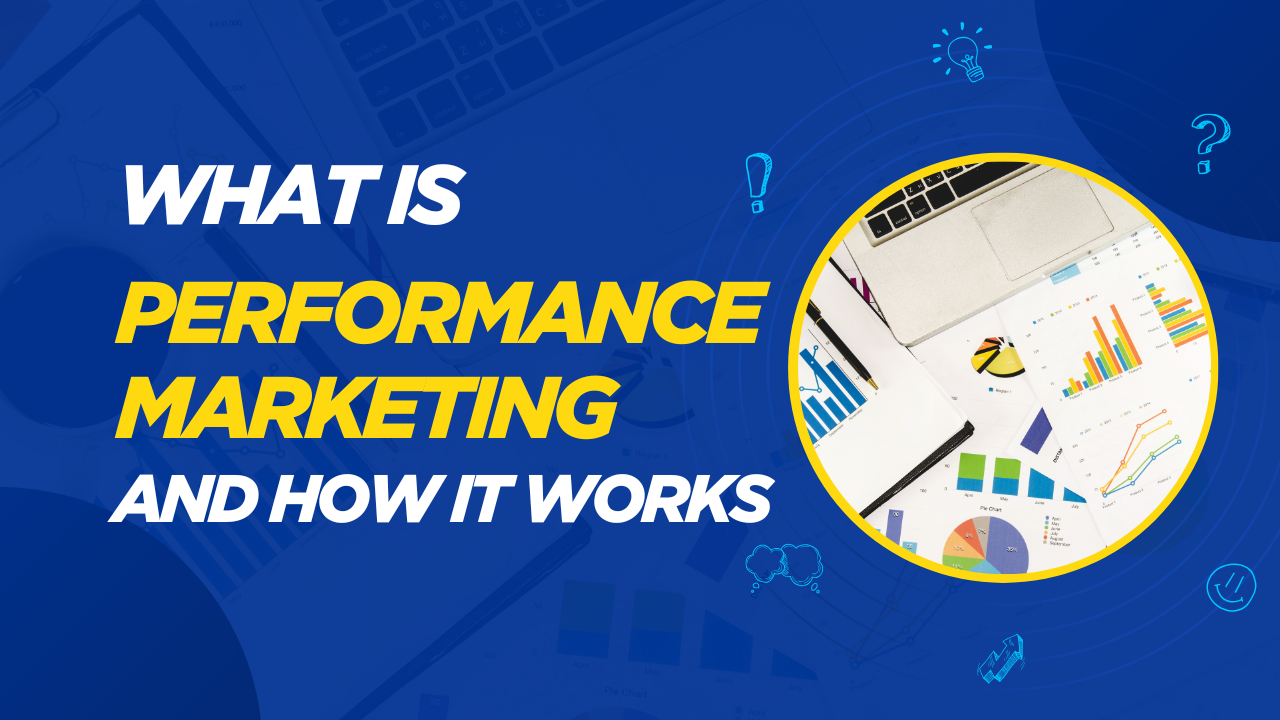
Performance marketing is the solution. Unlike traditional advertising, it focuses on measurable results, ensuring every campaign delivers tangible outcomes.
In this blog, we’ll explore what performance marketing is, how it works, and why it’s becoming essential for digital marketers in 2026.
Performance marketing is a results-focused strategy where advertisers pay only when measurable actions are completed, such as clicks, leads, or sales.
For example, in affiliate marketing, partners earn a commission only when their efforts result in a sale, signup, or other desired action. This ensures marketing budgets are spent efficiently and outcomes are trackable.
Key Difference: Unlike traditional marketing, which charges upfront for exposure, performance marketing charges only for achieved results, making it cost-effective and low-risk.
Businesses collaborate with affiliates who promote their products
Affiliates earn a commission for each successful sale, lead, or action
Popular in e-commerce and service-based industries
Advertisers pay only when users click on ads
Platforms include Google Ads, Bing Ads, and social media ads
Effective for generating immediate traffic and leads
Payment occurs when users complete a specific action, like filling a form or signing up for a newsletter
Allows precise tracking of conversions and ROI
Influencers are compensated based on measurable results such as clicks, app downloads, or conversions
Performance-based agreements reduce risk for brands
Performance marketing follows a structured process:
Set Goals: Define what counts as a conversion (sale, lead, signup, etc.)
Choose Channels: Select platforms such as search engines, social media, or affiliate networks
Track Performance: Use tools like Google Analytics, affiliate dashboards, or marketing software
Pay for Results: Advertisers pay only when goals are achieved
Optimize Campaigns: Analyze performance data and refine strategies to improve ROI
Cost-Effective: Only pay for measurable outcomes
Trackable: ROI can be monitored through analytics and reporting
Scalable: Campaigns can grow based on performance
Flexible: Works across multiple digital channels
Google Analytics and Google Ads for tracking campaigns
Affiliate marketing networks like ShareASale or CJ Affiliate
Conversion tracking software
Social media analytics dashboards
Pro Tip: Familiarize yourself with these tools to track and optimize campaigns efficiently.
| Feature | Performance Marketing | Traditional Marketing |
|---|---|---|
| Payment | Only for completed actions | Upfront, fixed cost |
| Measurement | Trackable and measurable | Hard to quantify |
| Risk | Low, pay per result | High, pay upfront regardless of results |
| Optimization | Easy, data-driven | Difficult to adjust mid-campaign |
Performance marketing allows businesses to maximize ROI, reduce risk, and make data-backed decisions. By focusing on measurable outcomes like clicks, leads, and sales, companies ensure that every marketing dollar contributes to tangible results.
For digital marketers, understanding performance marketing is essential in 2026, especially as data-driven decision-making becomes increasingly critical in competitive online environments.
Performance marketing is a results-oriented strategy that benefits both advertisers and marketers. By paying only for measurable results and leveraging data analytics, businesses can optimize campaigns, improve ROI, and scale effectively.
Whether you are a beginner or a professional, mastering performance marketing is key to succeeding in today’s fast-paced digital landscape.